

Introduction
Comfort means something very different today than it did even a decade ago. People no longer want spaces that look good but feel cold, or rooms that are cozy but outdated. This shift in mindset is exactly where contemporary comfort mipimprov enters the conversation.
At its core, contemporary comfort mipimprov reflects a growing desire for environments that balance clean modern aesthetics with emotional warmth and everyday usability. It’s not about luxury for show—it’s about spaces that genuinely support how people live, work, and unwind.
In reality, this idea didn’t appear overnight. It evolved as lifestyles changed, remote work expanded, and people began spending more time at home. As expectations rose, so did the need for comfort that feels intentional rather than accidental.
That’s why understanding contemporary comfort mipimprov matters. It helps homeowners, designers, and even everyday renters make better choices—choices that feel good long after the first impression fades.
What Contemporary Comfort Mipimprov Really Means
Before applying the idea, it’s important to define it clearly.
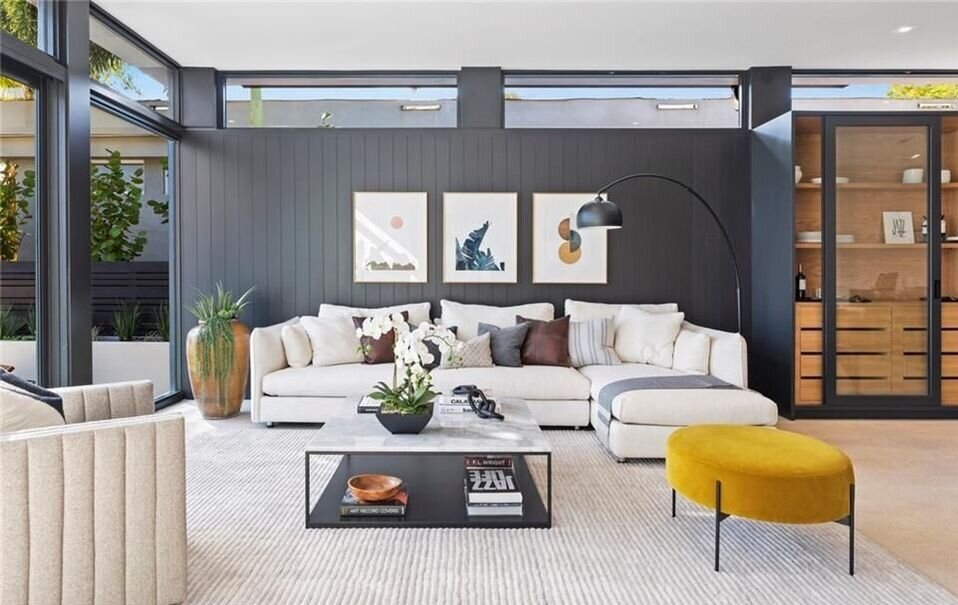
Contemporary comfort mipimprov is a design and lifestyle approach that prioritizes comfort without sacrificing modern visual clarity. It focuses on livability, emotional ease, and functionality while staying aligned with contemporary design principles. Explore epormsr.com for expert home improvement ideas, interior design inspiration, renovation tips, and smart living guides to create a stylish home.
Unlike traditional comfort—which often relied on excess, heaviness, or ornamentation—this approach is more refined. Comfort is achieved through proportion, texture, light, and intentional simplicity rather than clutter.
In practical terms, it means:
- Spaces that look modern but feel inviting
- Furniture that supports real daily use
- Design decisions guided by human behavior
That balance is what separates it from trends that fade quickly.

The Philosophy Behind Contemporary Comfort Mipimprov
The philosophy is rooted in realism.
People want homes that support their lives, not impress guests for ten minutes. Contemporary comfort mipimprov acknowledges this shift by putting human experience first.
However, that doesn’t mean abandoning design discipline. On the contrary, it requires more thought. Every element must earn its place.
This philosophy values:
- Emotional response over visual shock
- Long-term comfort over short-term trends
- Adaptability over rigid layouts
In many ways, it mirrors how people now view wellness—not as indulgence, but as sustainability.
How Modern Design and Comfort Finally Aligned
For years, modern design had a reputation for being cold. Clean lines, neutral palettes, and minimal decor often felt sterile.
That changed when designers began listening to how people actually live.
Contemporary comfort mipimprov emerged as a response to that disconnect. Designers started softening modern spaces through:
- Warmer materials
- Layered lighting
- Organic shapes
In reality, the alignment happened when function caught up with form. Sofas became deeper. Kitchens became more social. Bedrooms became calmer instead of dramatic.
Modern design didn’t lose its edge—it gained empathy.
Core Elements That Define Contemporary Comfort Mipimprov
Intentional Simplicity
Simplicity here doesn’t mean empty. It means purposeful.
Every object serves a function or adds emotional value. Excess is removed not for aesthetics alone, but for mental clarity.
Balanced Proportions
Comfort often comes from scale. Oversized furniture in the right context feels relaxing, not overwhelming.
This balance is central to contemporary comfort mipimprov and separates it from strict minimalism.
Flexibility and Adaptability
Modern life changes quickly. Spaces must adapt.
Movable furniture, multipurpose rooms, and modular layouts are key strategies used within this approach.
Materials, Textures, and Sensory Comfort
Comfort isn’t only visual—it’s physical.
Contemporary comfort mipimprov emphasizes materials that feel good to the touch and age gracefully.
Common choices include:
- Natural woods with visible grain
- Soft textiles like boucle, linen, and wool
- Matte finishes that reduce glare
On the other hand, overly glossy or synthetic materials are used sparingly, if at all.
This focus on texture creates depth without visual noise.
Color Psychology and Emotional Warmth
Color plays a subtle but powerful role.
Instead of stark whites or harsh contrasts, this approach favors:
- Warm neutrals
- Muted earth tones
- Soft layered palettes
These colors create emotional safety. They don’t demand attention—they support presence.
In reality, people feel calmer in spaces that don’t constantly stimulate the senses. That’s why color restraint is a defining feature of contemporary comfort mipimprov.

Furniture Choices That Support Real Living
Furniture is where theory meets reality.
A chair that looks stunning but hurts your back fails the core principle. Contemporary comfort mipimprov demands both aesthetics and ergonomics.
Key characteristics include:
- Deeper seating
- Rounded edges
- Supportive cushioning
Designers often prioritize fewer, better pieces rather than filling rooms unnecessarily.
This approach also encourages investment in longevity instead of frequent replacement.
Lighting Strategies for Modern Comfort
Lighting may be the most underestimated comfort tool.
Instead of relying on a single overhead source, contemporary comfort mipimprov uses layered lighting:
- Ambient lighting for general warmth
- Task lighting for function
- Accent lighting for mood
Warm color temperatures dominate, especially in living and sleeping areas.
In reality, good lighting can transform even modest spaces into comforting environments.
Contemporary Comfort Mipimprov in Small Spaces
Small spaces benefit the most from this philosophy.
When square footage is limited, every decision matters more.
Effective strategies include:
- Multifunctional furniture
- Vertical storage that feels light
- Mirrors used for depth, not decoration
Rather than trying to make small spaces look bigger, the goal is to make them feel better. For belongings you don’t need every day, self storage units Timberlea can provide extra space while helping your home feel more comfortable, organized, and uncluttered.
That mindset shift is essential.
Real-Life Applications and Case Examples
In practice, contemporary comfort mipimprov shows up in subtle ways.
A living room where people naturally gather. A bedroom that promotes rest instead of stimulation. A kitchen that encourages conversation, not just cooking.
Designers report higher satisfaction when clients focus on comfort-driven decisions rather than trend replication.
Homeowners often say the same thing: “It just feels right.”
That emotional response is the true success metric.
Personal Background and Evolution of the Concept
While contemporary comfort mipimprov isn’t tied to a single individual, it reflects a collective evolution across architecture, interior design, and lifestyle thinking.
Design professionals noticed a pattern: clients consistently valued comfort after living in a space—not during the reveal.
This insight reshaped priorities.
Financially, the market reflects this shift as well. Investment has moved toward quality materials, ergonomic furniture, and adaptable layouts rather than purely decorative upgrades.
In many ways, contemporary comfort mipimprov represents maturity—both in design and in consumer expectations.
Common Misconceptions About Contemporary Comfort
It’s Just Minimalism
This is false. Minimalism often removes comfort in pursuit of purity. Contemporary comfort mipimprov restores it intentionally.
It’s Only for Large Homes
On the contrary, small spaces benefit greatly when comfort is prioritized correctly.
It’s Trend-Based
In reality, it’s trend-resistant because it focuses on human needs rather than aesthetics alone.
FAQ
What is contemporary comfort mipimprov in simple terms?
It’s a modern design approach that balances clean aesthetics with warmth, functionality, and emotional comfort.
Is contemporary comfort mipimprov expensive to achieve?
Not necessarily. It emphasizes fewer, better choices rather than luxury for its own sake.
Can renters apply contemporary comfort principles?
Yes. Lighting, textiles, furniture placement, and color choices can all be adjusted without permanent changes.
How is it different from modern interior design?
Modern design focuses on form, while contemporary comfort mipimprov prioritizes lived experience alongside form.
Does contemporary comfort work for families?
Absolutely. It supports real daily use, durability, and flexibility.
Is this approach suitable for offices or workspaces?
Yes. Many modern workplaces now adopt these principles to improve well-being and productivity.
How long has contemporary comfort mipimprov been around?
It evolved gradually over the last decade as lifestyles, work habits, and wellness awareness changed.
Conclusion
Design trends come and go, but comfort endures.
Contemporary comfort mipimprov succeeds because it respects how people actually live. It doesn’t chase perfection—it supports presence, ease, and authenticity.
In a world that moves fast, spaces grounded in comfort offer something rare: relief. And that, more than any visual trend, is what makes this approach worth embracing.