Introduction
Few furniture brands manage to sit at the intersection of comfort, design, and long-term value. Herman Miller is one of those rare names that feels just as relevant today as it did decades ago.
Mention herman miller in a conversation about office chairs or modern interiors, and you’ll notice a certain recognition—sometimes admiration, sometimes skepticism about the price, but always respect. That reaction alone says a lot about the brand’s cultural and functional impact.
What makes this topic matter is simple: we spend more time sitting than ever before. Whether you work from home, manage an office, or simply appreciate good design, the choices you make around furniture directly affect your health, productivity, and daily comfort.
This guide breaks down the story, philosophy, products, and real-world value behind one of the most influential furniture makers in the world—without hype, and without design jargon getting in the way.
The Origins and Evolution of Herman Miller
From Small Company to Design Powerhouse
The story begins in 1905 in Michigan, where the company started as a modest furniture manufacturer. The transformation came in the mid-20th century when leadership embraced modernism, experimentation, and collaboration with forward-thinking designers.
Rather than chasing trends, herman miller aligned itself with a belief that furniture should solve problems—physical, psychological, and spatial.
The Turning Point: Modern Design Meets Mass Production
During the 1940s and 1950s, the brand partnered with designers who believed good design should be accessible. This mindset helped push modern furniture out of galleries and into real homes and offices.
That decision laid the groundwork for everything that followed, from ergonomic research to sustainable manufacturing.
Design Philosophy That Changed Furniture Forever
Function Before Form—But Never Without Beauty
At the heart of herman miller design is a simple rule: if it doesn’t improve the user’s life, it doesn’t belong in the room. Chairs aren’t just objects to sit on; they’re tools meant to support movement, posture, and focus.
That said, aesthetics are never ignored. Clean lines, balanced proportions, and timeless silhouettes ensure pieces don’t feel dated five years later.
Collaboration as a Core Strategy
Instead of relying solely on in-house ideas, the company consistently collaborates with industrial designers, engineers, and ergonomists. This cross-disciplinary approach is one reason the brand often sets standards others later follow.
Iconic Products That Define the Brand

The Aeron Chair: A Cultural Symbol
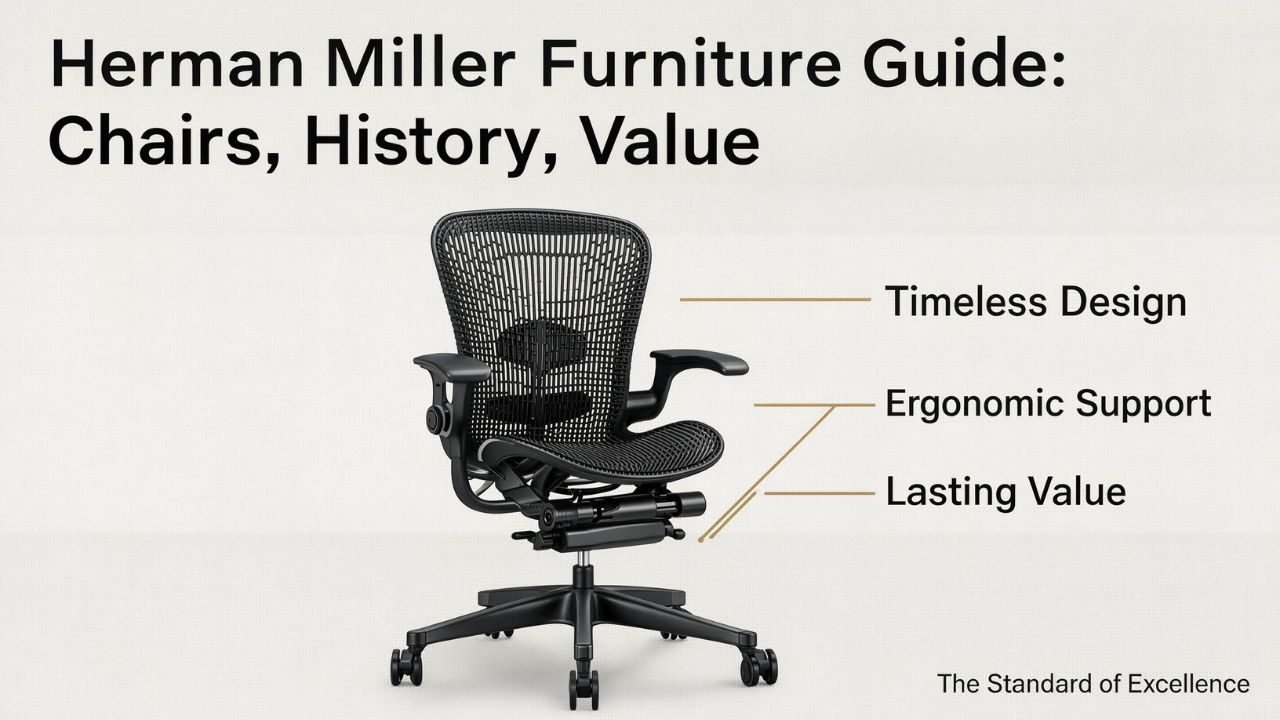
If one product cemented global recognition, it’s the Aeron chair. Introduced in the 1990s, it challenged everything people expected from office seating—no foam, no leather, just breathable mesh engineered for support.
herman miller didn’t market it as a luxury item at first. Ironically, its price and durability turned it into one.
Other Notable Designs
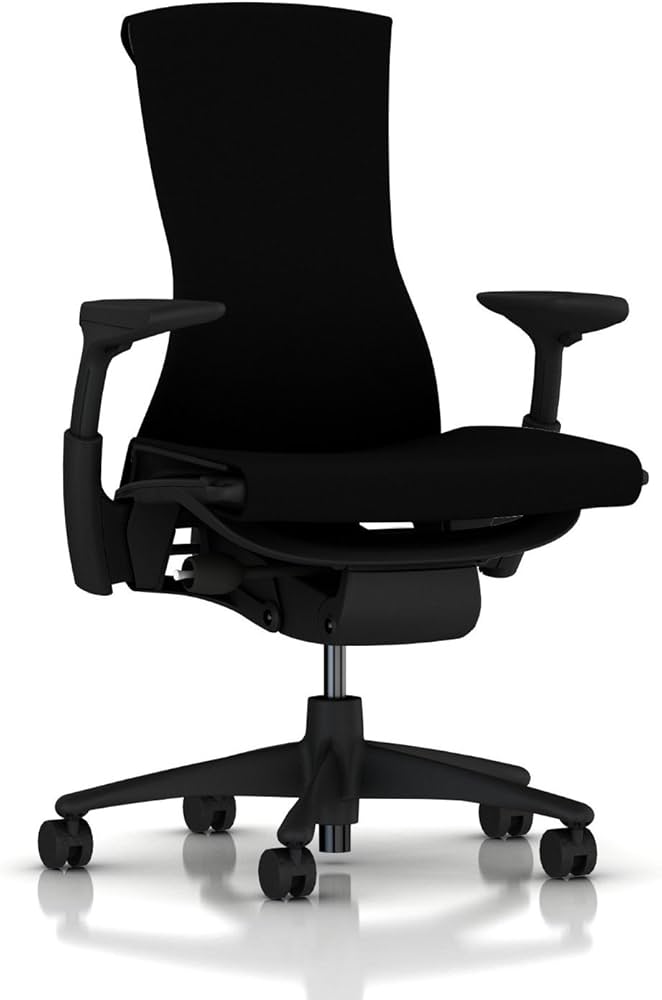
- Embody Chair: Designed to promote micro-movement and spinal alignment
- Eames Lounge Chair: A bridge between comfort and collectible design
- Sayl Chair: Inspired by suspension bridges, blending affordability with innovation
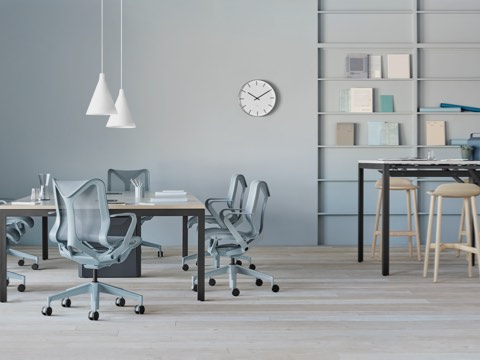
- Cosm Chair: Automatic ergonomic adjustment without manual controls
Each product reflects the same philosophy: adapt to the user, not the other way around.
Ergonomics and Workplace Science
Why Ergonomics Isn’t a Buzzword Here
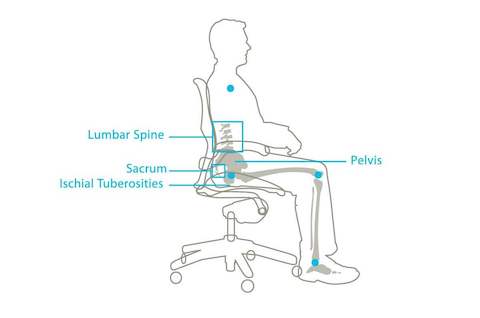
Unlike brands that treat ergonomics as a marketing term, herman miller invests heavily in research. The company maintains dedicated labs where posture, pressure distribution, and movement are studied in detail.
Research has shown that dynamic sitting—small, frequent posture shifts—reduces fatigue and discomfort. Many of the brand’s chairs are built specifically to encourage this behavior.
Real-World Health Impact
Users often report:
- Reduced lower back pain
- Improved focus during long work sessions
- Less stiffness at the end of the day
While no chair can replace movement entirely, the right seating can significantly reduce strain.
Materials, Sustainability, and Build Quality
Built to Last—Literally Decades
One reason resale markets thrive is durability. It’s common to see chairs functioning perfectly after 10–15 years of daily use. Frames, mesh, and mechanisms are tested far beyond typical consumer standards.
Environmental Responsibility
Sustainability isn’t an afterthought. Many products:
- Use recycled materials
- Are largely recyclable at end of life
- Are produced in facilities powered partially by renewable energy
This long-term mindset aligns well with buyers who value environmental accountability alongside performance.
Price, Value, and Long-Term Investment
Why the Price Feels High at First
Let’s address the obvious concern. herman miller furniture is expensive compared to mass-market alternatives. However, cost and value aren’t the same thing.
When you break down price over a decade or more of use, the annual cost often undercuts cheaper chairs that need replacement every few years.
Resale and Secondary Market Strength
Another overlooked factor is resale value. Well-maintained chairs retain a surprising percentage of their original price, making them closer to an asset than a disposable purchase.
Personal Background and Financial Perspective
Leadership and Cultural Influence
The brand’s success isn’t tied to a single celebrity founder but rather to decades of leadership decisions that favored research, ethics, and long-term thinking over short-term profit.
Estimated Financial Standing
While exact figures fluctuate, the company consistently reports strong revenues within the premium furniture segment. Its financial health reflects steady demand from corporations, governments, and individual buyers willing to invest in quality.
How Herman Miller Compares to Competitors
Against Mass-Market Brands
Compared to typical office furniture retailers, herman miller offers:
- Longer warranties
- Superior ergonomic research
- Higher material quality
The trade-off is price and availability.
Against Other Premium Brands
Within the premium category, competition is closer. Some rivals offer similar build quality, but few match the depth of research and historical influence that defines the brand’s reputation.
Who Should Choose Herman Miller Furniture
This furniture isn’t for everyone—and that’s okay. It’s best suited for:
- Professionals who sit 6–10 hours daily
- Businesses prioritizing employee well-being
- Design-conscious buyers who dislike frequent replacements
If short-term savings matter more than long-term comfort, other options may make more sense.
FAQs
Is herman miller worth the money?
For long daily use and durability, many users find the cost justified over time.
How long do Herman Miller chairs last?
With normal use, 10–15 years is common, often longer.
Are refurbished Herman Miller chairs reliable?
Yes, if purchased from reputable refurbishers with warranties.
Does herman miller offer warranties?
Most seating products include warranties up to 12 years.
Are these chairs good for back pain?
They’re designed to reduce strain, but results depend on proper adjustment and posture.
Is Herman Miller furniture environmentally friendly?
Many products meet high sustainability and recyclability standards.
Can Herman Miller chairs be adjusted easily?
Most models offer intuitive controls designed for daily use.
Is the Aeron chair good for home offices?
Yes, especially for remote workers with long sitting hours.
Conclusion
Furniture choices quietly shape how we work, think, and feel every day. herman miller stands out not because it’s trendy or exclusive, but because it consistently prioritizes human comfort, intelligent design, and long-term responsibility.
For those willing to look beyond upfront cost and focus on years of use, fewer regrets tend to follow. The brand’s influence on modern workspaces isn’t accidental—it’s earned through decades of thoughtful decisions that still hold up today.