Introduction
There’s something deeply personal about stepping outside and feeling instantly at ease. For many homeowners, my garden and patio isn’t just an outdoor area—it’s where morning coffee tastes better, conversations last longer, and stress quietly fades away.
In reality, creating a space that feels both beautiful and functional outdoors isn’t about copying magazine photos. It’s about understanding how you live, how you relax, and how your outdoor space can support that lifestyle without constant maintenance or frustration.
Whether you’re working with a compact patio or a sprawling backyard, the right ideas can turn underused square footage into your favorite “room” of the house. That’s exactly what this guide is designed to help you achieve.
My Garden and Patio: Where Outdoor Living Begins
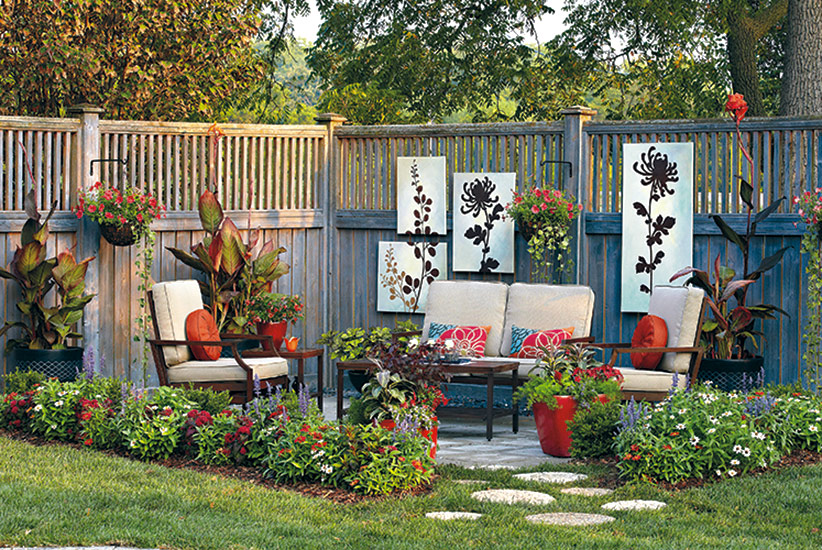
At its core, my garden and patio represents a shift in how we use our homes. Outdoor spaces are no longer afterthoughts. They’re extensions of daily living—used for dining, entertaining, working, and unwinding.
A well-designed garden and patio setup balances three essentials:
- Comfort – seating, shade, and layout that invite you to stay longer
- Functionality – easy movement, practical storage, and clear zones
- Aesthetics – colors, textures, and greenery that feel intentional
When these elements work together, the space feels effortless rather than staged.
Planning My Garden and Patio the Smart Way
Understanding Your Space and Lifestyle
Before choosing furniture or plants, step back and observe how the space is used. Ask yourself:
- Do I host guests often or prefer quiet evenings alone?
- Is this space used daily or only on weekends?
- How much maintenance am I realistically willing to do?
In reality, many outdoor projects fail because they ignore lifestyle needs. A low-maintenance patio can be more enjoyable than a high-effort garden that feels like a chore.
Setting a Realistic Budget
Budget clarity prevents half-finished projects. Break costs into categories:
- Hardscape (paving, decking, borders)
- Furniture and accessories
- Plants and soil
- Lighting and utilities
Even modest investments, when planned properly, can dramatically elevate my garden and patio without overspending.
Garden Design Ideas That Actually Work
Creating Flow Between Indoors and Outdoors
One of the most effective design strategies is visual continuity. Matching colors, materials, or design styles between your interior and garden creates a seamless transition.
For example:
- Neutral indoor palettes extend naturally into stone patios
- Wooden textures echo well in planters and pergolas
- Minimalist interiors pair beautifully with structured garden layouts
Zoning for Purpose
Just like indoors, gardens benefit from defined zones:
- A seating zone for relaxation
- A dining zone near the kitchen
- A planting zone for greenery and color
Clear zoning prevents clutter and makes my garden and patio feel organized instead of chaotic.
Patio Design Tips for Comfort and Style
Flooring Choices Matter More Than You Think
Patio flooring sets the tone for the entire space. Popular options include:
- Concrete pavers for durability
- Natural stone for a timeless look
- Composite decking for low maintenance
The right flooring improves safety, drainage, and visual appeal all at once.
Shade and Shelter Solutions
Comfort drops quickly without shade. Practical options include:
- Pergolas with retractable canopies
- Large outdoor umbrellas
- Natural shade from trees or tall plants
That said, flexible shade options allow you to adapt the space across seasons.
Choosing Furniture for My Garden and Patio
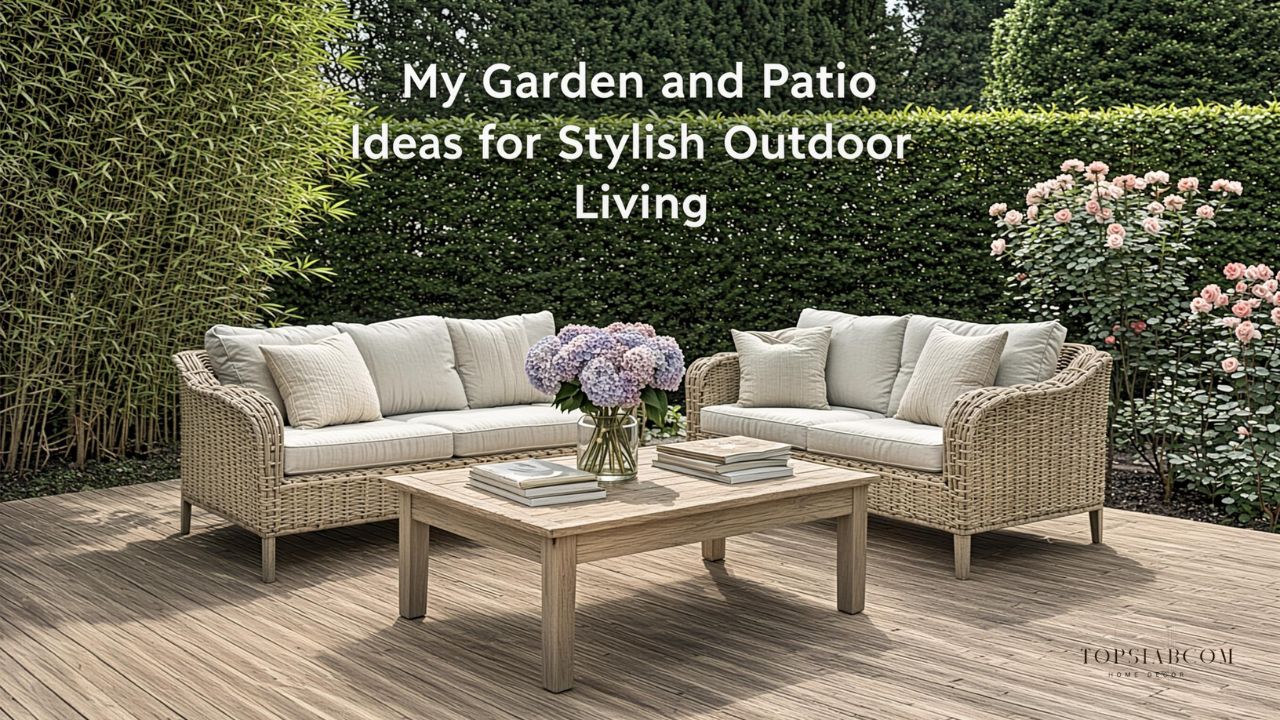
Furniture defines how usable the space feels. Oversized or flimsy pieces can ruin even the most beautiful layout.
What to Look for in Outdoor Furniture
- Weather-resistant materials (aluminum, teak, resin wicker)
- Cushions with removable, washable covers
- Modular pieces that adapt to different gatherings
A well-chosen set anchors my garden and patio and encourages daily use rather than occasional enjoyment.
Arrangement Tips That Feel Natural
Avoid pushing furniture against walls. Instead:
- Arrange seating around a focal point
- Leave clear walking paths
- Mix seating types for flexibility

Plants That Thrive in Garden and Patio Spaces
Choosing Plants Based on Conditions
Not all plants belong everywhere. Sun exposure, wind, and drainage determine success more than aesthetics.
Common patio-friendly options include:
- Herbs for sunny patios
- Ferns for shaded corners
- Shrubs in containers for structure
Container Gardening for Flexibility
Containers offer freedom. They allow:
- Seasonal changes without replanting beds
- Easy rearrangement for events
- Better control over soil and watering
For small spaces, containers are often the backbone of my garden and patio design.
Lighting Ideas for Evening Ambience
Lighting transforms outdoor spaces after sunset. Without it, patios feel incomplete.
Layered Lighting Works Best
- Ambient lighting for overall visibility
- Task lighting near cooking or dining areas
- Accent lighting to highlight plants or textures
Soft lighting encourages relaxation, while harsh lighting does the opposite.
Energy-Efficient Options
Solar and LED lights reduce costs and maintenance. Over time, they pay for themselves while keeping the space usable year-round.

Seasonal Care and Maintenance Tips
Simple Routines That Prevent Bigger Problems
Regular care doesn’t have to be overwhelming:
- Sweep patio surfaces weekly
- Check furniture covers after storms
- Prune plants seasonally
Consistency keeps my garden and patio looking intentional rather than neglected.
Preparing for Extreme Weather
In reality, weather damage is preventable. Store cushions indoors, secure lightweight furniture, and protect plants during extreme heat or frost.
Budget-Friendly My Garden and Patio Upgrades
Not every upgrade requires a full renovation.
Affordable improvements include:
- Refreshing cushions instead of replacing furniture
- Adding outdoor rugs for instant warmth
- Using string lights for ambiance on a budget
Small changes often deliver the biggest emotional impact.
Personal Background: Why Outdoor Spaces Matter
Many design professionals start with formal training, but the real understanding of outdoor spaces often comes from lived experience. Years of observing how people actually use their gardens reveal one truth: the best spaces are personal, not perfect.
Through hands-on projects, experimentation, and even failed layouts, the value of thoughtful outdoor design becomes clear. While financial success in this field varies widely, professionals in landscape and outdoor design often earn steady incomes by solving real problems rather than chasing trends.
What matters most isn’t net worth—it’s the ability to create spaces that genuinely improve daily life.
Frequently Asked Questions
What is the best way to start designing my garden and patio?
Start by observing how you want to use the space. Function should guide design decisions before aesthetics.
How much does it cost to upgrade a patio?
Costs vary widely, but many impactful upgrades can be done within a modest budget using furniture, lighting, and plants.
Can small patios still feel spacious?
Yes. Smart furniture choices, vertical plants, and light colors make compact patios feel open.
What plants work best for low maintenance?
Native plants, herbs, and hardy shrubs usually require less care and adapt better to local conditions.
How do I make my patio usable year-round?
Add shade, weather-resistant furniture, lighting, and seasonal accessories like heaters or blankets.
Is container gardening better than planting in the ground?
For patios and flexible layouts, containers offer better control and adaptability.
How often should outdoor furniture be replaced?
Quality furniture can last many years with proper care, covers, and seasonal storage.
Does lighting really make a difference outdoors?
Absolutely. Lighting extends usability, improves safety, and enhances atmosphere dramatically.
Conclusion
Creating my garden and patio is less about trends and more about intention. When outdoor spaces are designed around real habits and honest needs, they naturally become places people love to spend time in.
With thoughtful planning, smart choices, and a willingness to adapt over time, your garden and patio can evolve into a space that feels effortless, personal, and genuinely restorative—season after season.